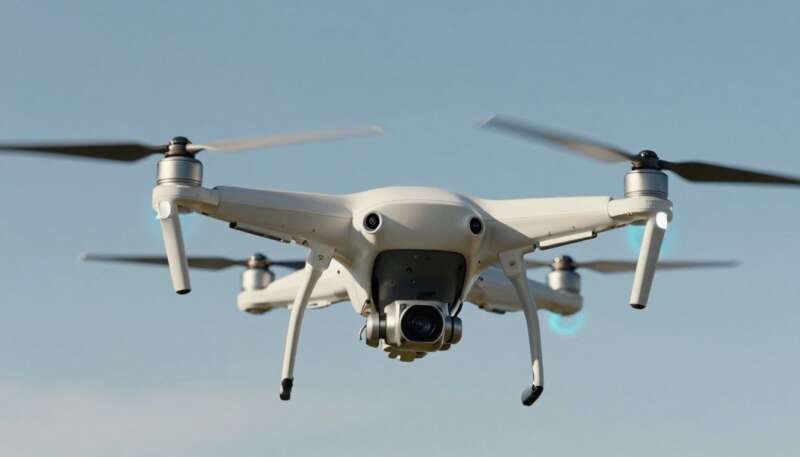
When you build or buy a drone, you often hear talk about powerful motors and long-lasting batteries. These parts get all the attention. But the real magic happens with the Electronic Speed Controller, or ESC. It’s the part that links everything together, yet many folks overlook it.
Think of the ESC as the bridge between your drone’s brain—the flight controller—and its muscles—the motors. It takes simple signals from the controller and turns them into the exact power the motors need to spin. Without a good ESC, your drone might stutter or fail mid-flight. This article breaks down what an ESC does, how it affects your drone’s performance, and tips to pick the best one. You’ll see why investing in a solid ESC can make your flights safer and more fun.
What Exactly Is a Drone ESC? Core Function and Mechanism
The Communication Link: From Flight Controller to Motor
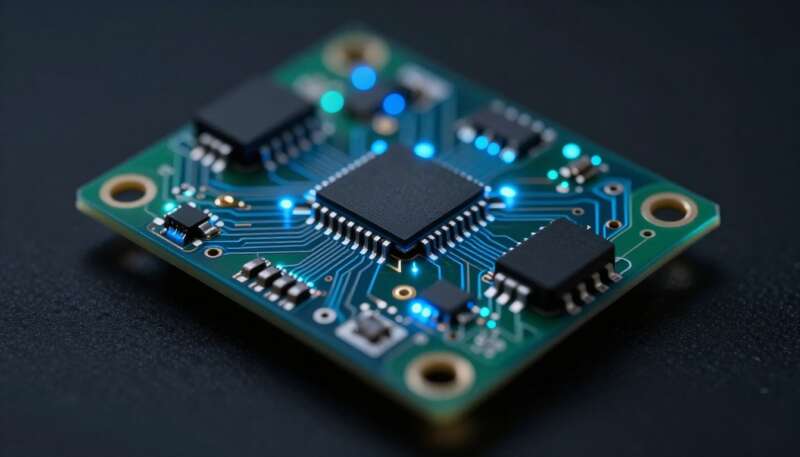
Your drone’s flight controller sends out signals to tell the motors how fast to go. These signals come in forms like PWM or DShot. The ESC grabs these inputs and changes them into three-phase electrical current. Brushless motors need this type of power to run smoothly.
This process happens fast. A good ESC responds in milliseconds. That quick action keeps your drone steady, even in wind. Without it, the motors would not get the right commands.
In short, the ESC acts like a translator. It ensures the flight controller’s orders reach the motors clearly.
The Power Regulation Role: Managing Battery Output
Drones use LiPo batteries that pack a lot of voltage. The ESC steps this down to control motor speed, measured in RPM. It adjusts the power flow so your drone hovers or zooms on command.
Heat builds up as the ESC works. This comes from converting power. Poor cooling can shorten its life, so pick units with good heat sinks.
You can think of the ESC as a smart valve. It lets just the right amount of battery juice through, saving energy and preventing overloads.
Brushless Motor Compatibility
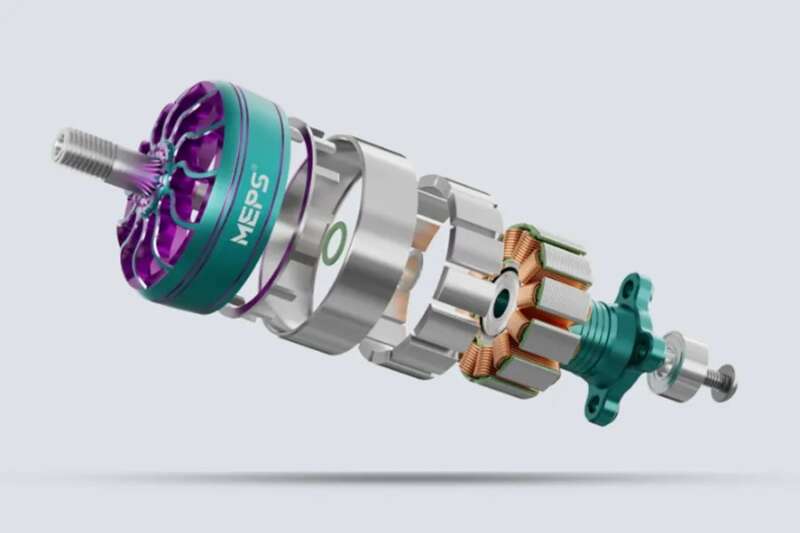
Most modern drones use brushless motors with three wires. ESCs fit these perfectly, sending balanced power to all phases. Older brushed motors had simpler setups with just two wires and no ESC needed.
Brushless systems last longer and run quieter. The ESC makes sure the motor spins efficiently without brushes wearing out. If you try a brushed motor on an ESC, it won’t work right.
This match boosts your drone’s speed and reliability. Stick to brushless for best results.
Key Specifications: Decoding ESC Ratings and Features
Continuous Current Rating (Amperage): The Primary Metric
The continuous current rating shows how much amps the ESC can handle steady. Say it’s 45A—that means it runs safe at that level for long flights. Burst ratings go higher for short peaks, like during quick climbs.
Always add a buffer. Aim for 20-30% more than your motors’ max draw. This prevents overheating and failures.
For example, if your setup pulls 30A top, get a 40A ESC at least. It keeps things cool and extends gear life.
Voltage Compatibility (Cell Count)
ESCs list cell counts like 2S to 6S for LiPo batteries. A 4S ESC handles up to 16.8 volts safely. Match it to your battery to avoid damage.
Use a higher-rated ESC if you upgrade batteries later. Over-voltage fries the circuits fast. Check labels before you plug in.
This spec ensures stable power. Wrong match leads to smoke or crashes.
Communication Protocols: The Language of Modern Drones
PWM is the old standard—simple but slow. OneShot and MultiShot speed things up a bit. DShot leads now, with low noise and quick responses.
DShot adds telemetry, sending back data like RPM. It cuts wiring clutter too. For racing drones, this means sharper turns.
Pick DShot for new builds. It future-proofs your setup against lag.
How ESC Quality Directly Impacts Flight Performance
Throttle Response and Precision
Top ESCs process signals fast, giving smooth throttle changes. High refresh rates mean no jerky moves. You feel this in fr eestyle flying, where flips need instant power.
In racing quads, a laggy ESC costs seconds. Aerial photo drones stay steady with precise control. Cheap units cause wobbles.
Better response builds confidence. Your drone handles like an extension of your hands.
Motor Efficiency and Battery Life
ESCs use MOSFETs to switch power clean. Good firmware cuts waste heat. This lets motors run cooler and use less battery.
Studies show quality ESCs add 10-15% flight time. Manufacturers like BLHeli back this with tests. You fly longer without recharging.
Efficiency ties to smoother spins. Less drag means more air time.
Bi-Directional Communication (Telemetry)
Modern ESCs talk back to the flight controller. They share motor temps, voltage drops, and load info. This helps spot issues early.
Telemetry enables smart features, like auto-throttle cuts on overheat. You get real-time stats on your goggles or app. It saves flights from surprises.
Without it, you’re blind to problems building up.
ESC Configurations and Installation Considerations
Individual ESCs vs. 4-in-1 Stack ESCs
Individual ESCs mean one per motor—easy to swap if one fails. They offer backup if others quit. But wiring gets messy in tight frames.
4-in-1 units stack all four on one board. Builds look clean, save weight and space. Racers love them for 5-inch quads.
Cinematic drones often go individual for easy access. Weigh pros against your drone type.
- Pros of individual ESCs:
- Redundancy if one breaks
- Simple fixes
- Better cooling spread
- Cons of individual ESCs:
- More wires
- Heavier overall
For 4-in-1:
- Cleaner layout
- Less solder points
- But full failure takes out all motors
Choose based on your skill and drone size.
Soldering and Wiring Best Practices
Soldering motor wires to ESC pads needs care. Use flux for clean joints. Heat each of the three motor leads evenly—red, black, blue match phases.
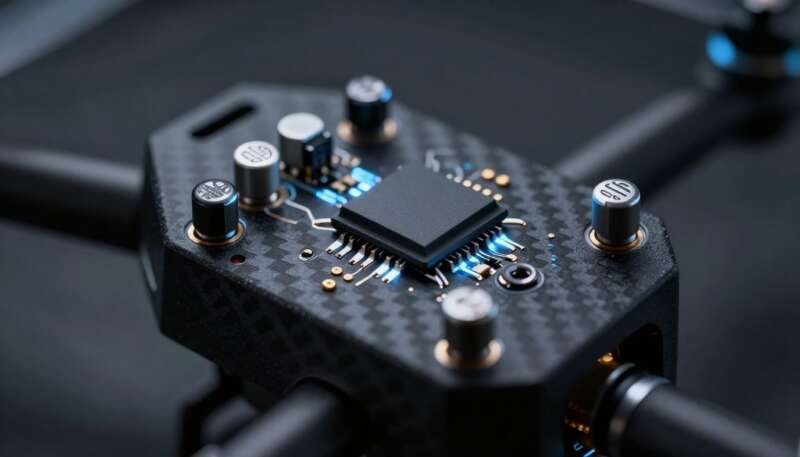
Power leads connect positive to positive, negative to negative. Add a capacitor near the input. It smooths voltage spikes from battery noise.
- Steps for safe soldering:
- Tin wires and pads first.
- Join quick to avoid cold joints.
- Test continuity before powering up.
- Insulate with heat shrink.
Bad connections cause fires or weak signals. Take time here.
Flashing Firmware and Calibration
Flash firmware like BLHeli_S for basic ESCs or BLHeli_32 for advanced. It matches your flight controller’s protocol. Use tools like BLHeli Configurator.
DShot skips full calibration often. Just set throttle ranges in Betaflight. Older PWM needs manual accel and decel tunes.
Update firmware for bug fixes. It improves timing and safety.
Conclusion: Investing in Reliability
The ESC does more than relay power—it’s key to stable flights and quick responses. From handling signals to managing heat, it ties your drone’s parts together. Skip quality here, and you risk crashes or short battery life.
When picking ESCs, match amps, voltage, and protocols to your build. Add that buffer for peace of mind. As drones push higher speeds and voltages, strong ESCs keep you flying safe.
Ready to upgrade? Check your current setup against these tips. Grab a reliable ESC today and notice the difference in your next flight.